

Divorce is often described as one of the most stressful life events a person can experience. And yet, most of the attention — and most of the resources — tend to focus on the legal side of things: the paperwork, the court process, the assets, the custody schedule.
What doesn’t get talked about nearly enough is the emotional and psychological work that makes all of that possible to navigate well.
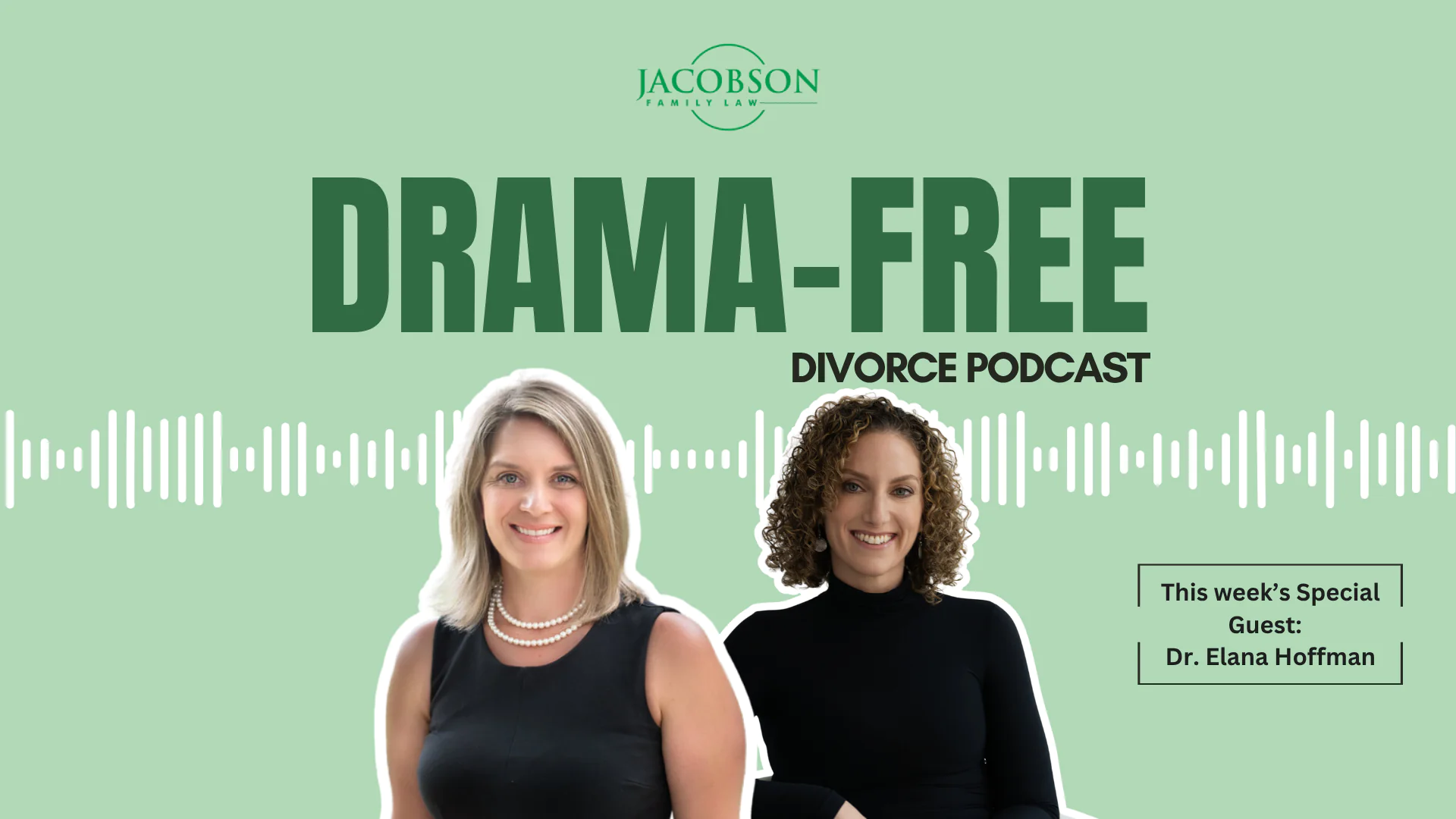
In Episode 18 of the Drama-Free Divorce Podcast, I sat down with Dr. Elana Hoffman — licensed clinical psychologist, founder of a telehealth practice specializing in divorce and major life transitions, author of So, Your Wife Left You… Now What?, and host of the podcast Talk Relationship to Me — for one of the most important conversations we’ve had on this show.
If you haven’t listened to our last episode yet, we covered strategic solutions for high-conflict co-parenting with Dr. Bill Northey — a great companion listen to this one.
Here are the biggest takeaways from EP #18.
Why Therapy Is Just as Important as Legal Guidance During Divorce
Most people going through a divorce hire an attorney. Far fewer make sure they have emotional support in place at the same time — and Dr. Elana is clear that this gap creates real problems.
When people are emotionally dysregulated, they make worse decisions. They react instead of responding. They let fear or anger drive choices that have long-term consequences for their finances, their relationships, and their children. A therapist or coach doesn’t replace legal guidance — but without one, emotions can quietly undermine the entire legal process.
As a Maryland divorce attorney and mediator, I see this dynamic play out regularly. Clients who have emotional support tend to make clearer decisions, communicate more effectively, and move through the process with far less collateral damage.
“Give Your Kids the Divorce They Deserve”
One of the most powerful ideas Dr. Elana brings to this conversation is the concept of doing your own work so your children don’t have to carry the weight of yours.
Research is consistent: it’s not divorce itself that causes lasting harm to children — it’s the level of conflict between parents. When parents are emotionally regulated, when they’ve done the internal work to separate their co-parenting relationship from their personal pain, children are dramatically more likely to come through the process intact.
The shift Dr. Elana describes is a meaningful one: from focusing on the conflict between parents to focusing on the experience of the child. That reframe alone can change how a person approaches every difficult conversation with their ex. For more on protecting children during divorce, listen to EP #17 with Dr. Bill Northey, where we go deep on high-conflict co-parenting.
How Past Family Patterns Show Up During Divorce
Many adults going through divorce are doing more than ending a marriage — they’re encountering patterns that have been with them since childhood. Dysfunction in the family of origin often resurfaces under the stress of divorce: conflict avoidance, emotional reactivity, difficulty with boundaries, fear of abandonment.
Without awareness, these patterns can repeat themselves in the most costly ways — in litigation, in co-parenting conflict, in the next relationship. Dr. Elana works with clients to identify these patterns and interrupt them, which is what makes a real difference in long-term outcomes.
Neurodivergence and Divorce
Dr. Elana also specializes in neurodivergence in relationships — an area that’s gaining long-overdue attention. When one or both partners have ADHD, autism, or other differences in communication and emotional processing, conflict during divorce can be particularly intense and misunderstood.
Understanding that a partner isn’t being difficult on purpose — but may genuinely be processing the world differently — can be a game-changer in how two people communicate during one of the hardest processes of their lives. The American Psychological Association has written extensively on how communication differences affect family conflict during transitions like divorce.
Divorce as Opportunity, Not Failure
Perhaps the most important reframe in this episode: divorce doesn’t have to mean failure. Dr. Elana approaches it as a transition — one that, with the right support, can become one of the most significant periods of personal growth in a person’s life.
That perspective isn’t naive. It’s hard-won and clinically grounded. And for anyone who is currently stuck in shame, grief, or a sense of defeat, it’s a perspective worth hearing. At Jacobson Family Law, our mediation services are built around this same philosophy — that how you move through divorce matters just as much as the outcome.
Therapy vs. Coaching: How to Know What You Need
Dr. Elana offers both therapy and coaching, and she explains the distinction clearly. Therapy tends to be more appropriate when there’s a mental health diagnosis, significant trauma, or deep emotional processing needed. Coaching is often a better fit for someone who is relatively stable but needs structure, accountability, and forward-focused guidance.
Both are valuable. Knowing which one you need — or whether you need both — is the first step. You can learn more about Dr. Elana’s services at her website or listen to her podcast Talk Relationship to Me for ongoing insight into relationships and recovery.
Practical First Steps for Anyone Feeling Overwhelmed
For the person who’s at the very beginning of this process and doesn’t know where to start, Dr. Elana’s advice is grounding: start with one small action. Find a therapist or coach. Reach out for support before you feel like you need it. Build your team — legal, emotional, financial — before the crisis hits.
The internal work isn’t optional. It’s what determines whether you come out of this process with clarity and a path forward, or with more damage than you started with. On the legal side, Jacobson Family Law offers consultations for anyone navigating divorce in Maryland who wants guidance from an attorney who understands the full picture — not just the paperwork.
Listen to the Full Episode
EP #18: Therapy, Growth & Redefining Divorce with Dr. Elana Hoffman is available now on all major podcast platforms.
Learn more about Dr. Elana Hoffman, her book So, Your Wife Left You… Now What?, and her podcast Talk Relationship to Me.
About Jacobson Family Law
If you’re navigating divorce in Maryland and need legal guidance from an attorney who understands the whole picture, Jacobson Family Law is here to help. Attorney and mediator Cary Jacobson works with clients to move through divorce with clarity and far less conflict. Contact us to schedule a consultation.